Combatting spring fatigue with seasonal produce
Automatically translated from Romanian. See the Romanian original
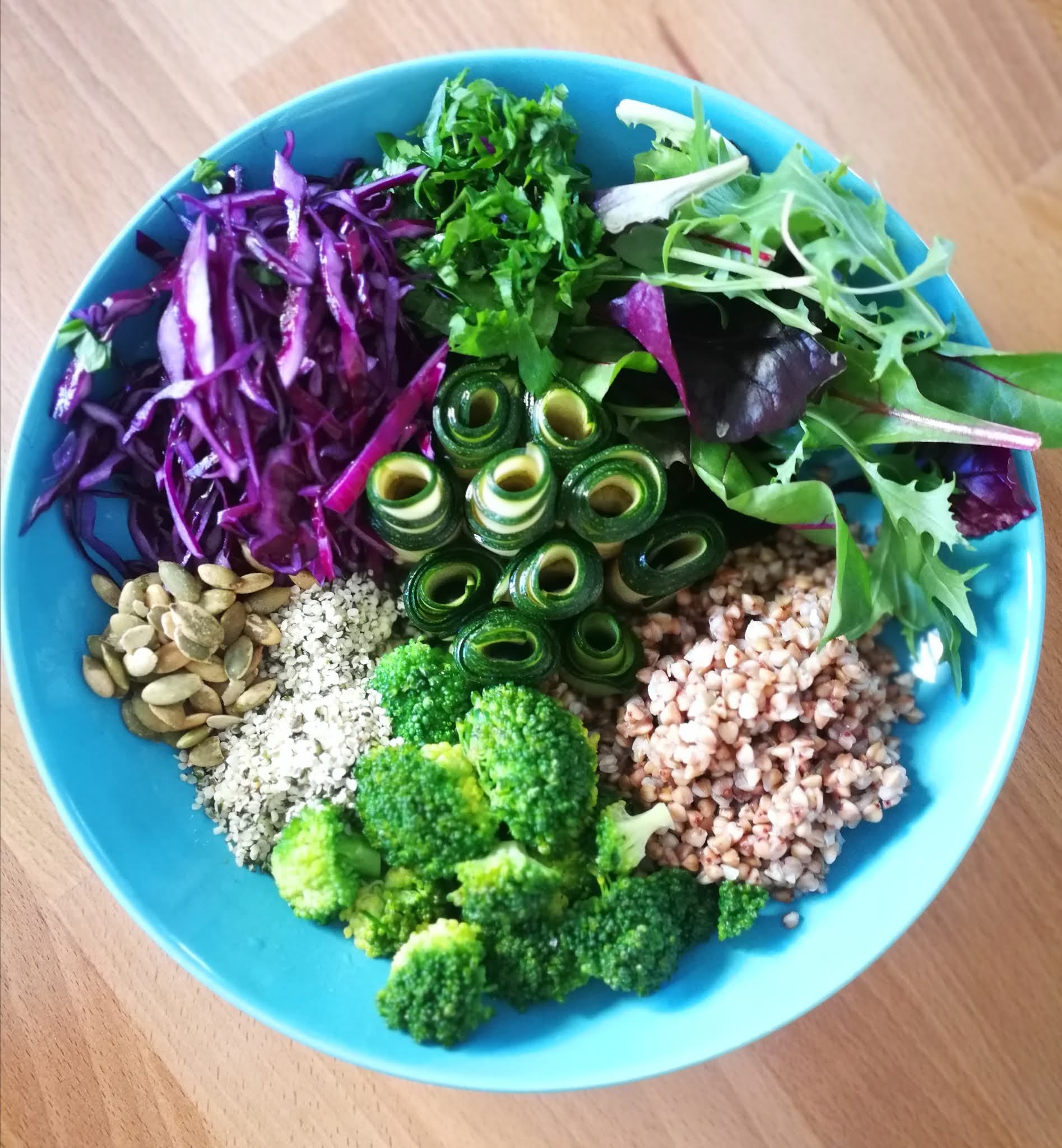
A guide to spring fatigue and how we can overcome it through proper nutrition, outdoor exercise, hydration, and consuming seasonal vegetables and fruits.
Ingredients
Method
-
Proper nutrition
-
Outdoor exercise
-
Plenty of water (at least 2 liters per day)
The story behind this recipe
Wishing you a happy and sunny spring!
Much has been written and will continue to be written about spring fatigue, even though the rules are simple, few, and effective. If we follow them, we can successfully get through this "horror" period of the year :)
Even if you feel just as tired whether you sleep 3 hours or 12, you can fight back against the sluggishness in just a few steps.
1. Proper nutrition
2. Outdoor exercise
3. Plenty of water (at least 2 liters per day)
Spring fatigue causes behavioral changes such as laziness, drowsiness, apathy, irritability, headaches, dizziness, lack of concentration, low physical endurance, and lack of appetite; these are usually associated with spring fatigue.
It is very important to consume seasonal FRUITS and VEGETABLES. There is a reason they are called "seasonal." They are very important for maintaining well-being and are how we fight symptoms similar to fatigue, because they contain exactly the vitamins and minerals needed for this period. Seasonal vegetables contain a large amount of iron and many of the B vitamins.
In spring, lots of greens appear, so it is salad season. During this time, you can consume:
Stinging nettles can be foraged from the forest or bought at the market; they are rich in iron, vitamins A, B2, C, and K, and mineral salts.
Lovage is recommended for acute and chronic bronchitis, biliary dyskinesia, digestive dyspepsia, anorexia, constipation, food poisoning, urinary infections, hypertension, and menstrual disorders.
Wild garlic contains vitamins A and C, essential oils, volatile oils, and mineral salts (calcium, iron, phosphorus, copper, sodium).
Lesser celandine is used both in the kitchen and as a medicinal plant, being rich in anemonin, protoanemonin, ficaric acid, ficarin, tannin, and mineral salts. In early spring, before flowering, the leaves contain high amounts of vitamin C.
Romanian arugula (dandelion leaves) is an excellent source of protein, thiamine, riboflavin, vitamin B6, pantothenic acid, copper, and zinc. It is also a rich source of fiber, vitamins A, C, and K, calcium, iron, magnesium, phosphorus, and potassium.
Spinach leaves contain chlorophyll in large amounts, alongside folic acid, vitamins B1, B2, B6, B9, PP, C, E, and K, carotene, proteins, lipids, carbohydrates, mucilage, lutein, iron, and a specific substance called spinacin.
Lettuce
Green garlic
Green onions
Asparagus - one of the healthiest foods you can eat, an excellent source of vitamins A, C, K, folic acid, calcium, magnesium, and potassium.
Celery acts in the body as a good digestive, diuretic, anti-asthmatic, carminative, and expectorant agent.
Radishes have cleansing and detoxifying properties for the skin, and are beneficial for the respiratory system and digestion; they improve liver health, blood circulation, and fight bad breath, headaches, acidity, sore throats, or fevers.
Peas are low in fat and calories (a cup of peas has less than 100 calories) but packed with protein, fiber, and nutrients. They contain Omega-3 in the form of alpha-linolenic acid (ALA), and a high content of vitamin B1, folic acid, B2, B3, and B6, which reduces homocysteine levels, a risk factor for heart disease.
Avocado has so many properties that an entire article should be written just about it. It is considered both a fruit and a vegetable, and its benefits are numerous. Guacamole is the most well-known recipe.
Beetroot, last but not least, is a tasty vegetable with several important properties, including liver detoxification and boosting immunity; it helps detoxify the body and strengthens mental balance. Red beet has a high vitamin content and improves metabolism. What is worth noting, and what sets this vegetable apart from others like tomatoes, cabbage, or cauliflower, is the fact that it retains almost all its properties when boiled, and when pickled, it enriches its vitamin dose!
Spring fruits are true treasures for your health, so consume them whenever you have the chance, either at breakfast or during the day. In fact, whenever you want to eat sweets, opt for fruit because it is healthy. Beyond the energy they provide, the effects will be felt on the outside, giving your skin a bright and beautiful appearance.
Blueberries are delicious fruits that can be bought at markets from May through October. Their beneficial properties can be preserved if stored in cool places. Blueberries are rich in vitamins A, C, and E and contain many minerals, such as potassium, magnesium, fiber, and saturated fats; you can consume them fresh or mixed with yogurt.
Strawberries - delicious and nutritious, these spring fruits prevent free radicals from oxidizing the body. They also regulate body temperature, maintain skin firmness, and help prevent leukemia and malignant tumors.
Mango is a delicious tropical fruit that is low-calorie and rich in nutrients like magnesium, potassium, iron, selenium, and vitamins A and B. Thanks to its high vitamin and mineral content, mango is beneficial for people who want to eliminate fluids from the body and helps prevent hair loss.
Bananas are fruits that have a high intake of vitamins and minerals, as well as potassium, carbohydrates, and fiber, being recommended for use in anti-diarrheal treatments.
I hope this information is useful to you :)
Stay healthy!


